

Understanding Commodity Markets: A Detailed Exploration of Structure, Value Drivers, and Real-World Impact

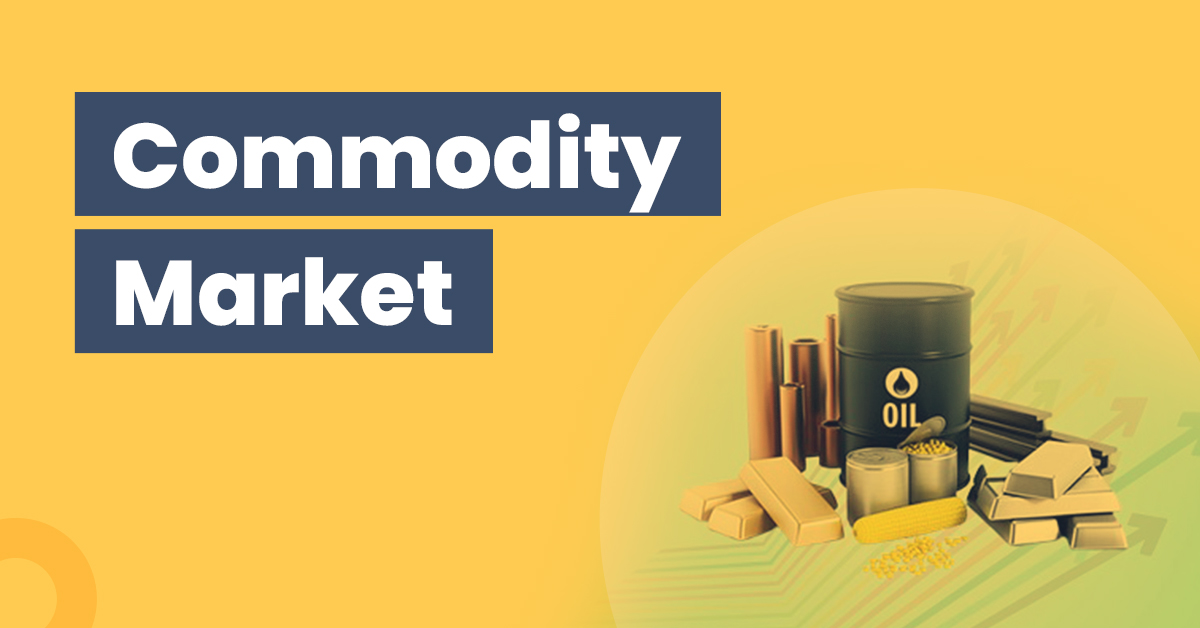
A Commodity represents one of the most fundamental building blocks of global trade and economic development. These raw materials serve as the foundation of manufacturing, energy production, transportation, food supply, and technological advancement. Within the first stages of modern commerce, the ability to buy and sell a Commodity efficiently determines the stability of supply chains and the reliability of consumer markets. Businesses, investors, and governments rely on these materials to evaluate resource availability, pricing behavior, and long term strategic planning.
What Defines a Commodity in Today’s Global Marketplace
A Commodity is typically a raw material or primary agricultural product that can be bought, sold, stored, and traded. A key characteristic is interchangeability. One unit of a Commodity is generally equivalent to another of the same type and grade. This standardization allows large scale trade, transparent pricing, and consistent quality. Commodities form the basis of food production, industrial operations, construction activity, and energy systems.
Main Categories of Commodities and Their Economic Significance
Commodity markets consist of several distinct segments that play different roles within national and international economies.
Energy Commodities
Energy resources drive nearly all aspects of modern industry. They influence transportation costs, electricity production, manufacturing capacity, and global logistics. Common energy commodities include:
- Crude oil
- Natural gas
- Heating oil
- Gasoline
- Coal
Energy prices often fluctuate based on geopolitical events, seasonal demand patterns, extraction technology, and environmental regulations. These factors create ripple effects that impact production costs, inflation rates, and consumer pricing.
Agricultural Commodities
Agricultural products support worldwide food supply chains. They are essential to food manufacturers, livestock producers, and global trade networks. Major agricultural commodities include:
- Wheat
- Corn
- Soybeans
- Coffee
- Sugar
- Cotton
Climate conditions, crop diseases, global population growth, and evolving dietary patterns influence agricultural output and pricing. Countries dependent on food imports closely monitor agricultural commodity markets to secure reliable supply.
Metal Commodities
Metals serve as core inputs for construction, technology production, transportation manufacturing, and industrial infrastructure. They include:
- Gold
- Silver
- Copper
- Platinum
- Aluminum
- Nickel
While precious metals like gold are often used for investment and store of value, industrial metals like copper play critical roles in wiring, electronics, renewable energy components, and building projects.
Livestock and Meat Commodities
This category addresses global protein consumption and agricultural economics. Common livestock related commodities include:
- Live cattle
- Feeder cattle
- Lean hogs
Feed costs, disease outbreaks, weather patterns, and consumer preferences influence livestock supply and pricing.
How Commodity Markets Operate
Commodity markets function through a combination of physical trading, futures exchanges, and financial instruments created to manage risk and price volatility.
Spot Market Trading
In the spot market, buyers and sellers exchange commodities for immediate delivery. Pricing reflects current supply and demand conditions, transportation availability, and global economic activity. Spot markets are vital for industries that require quick access to raw materials.
Futures Market Trading
Futures markets allow participants to buy or sell commodities at a predetermined price for future delivery. Futures play essential roles in:
- Hedging risks for producers and manufacturers
- Allowing investors to speculate on price movements
- Establishing global benchmark prices
Futures markets support price stability by giving businesses the ability to plan production, financial budgets, and resource allocation months in advance.
Options and Other Derivatives
Options provide the right, but not the obligation, to buy or sell a Commodity at a set price within a specific timeframe. Other derivatives include swaps, forwards, and structured financial products. These tools help entities reduce exposure to unexpected price changes and protect margins.
Key Factors That Influence Commodity Prices
Commodity prices do not move randomly. They respond to a combination of economic, environmental, and geopolitical forces.
Supply and Demand Variability
Changes in production levels, population growth, industrial activity, and global consumption habits shape price performance. When supply tightens or demand spikes, prices increase. Oversupply or reduced consumption causes prices to fall.
Geopolitical Events
Political tensions, conflicts, sanctions, and trade agreements directly impact commodity flows. For example, disruptions in major oil producing regions can reduce supply, leading to global price increases.
Weather and Climate Conditions
Weather significantly affects agricultural commodities. Hurricanes, droughts, floods, and frost events can destroy crops and disrupt supply. Climate change trends further increase long term unpredictability in global production.
Technological Innovation
Advancements in extraction, farming practices, renewable energy, and automation can influence both supply and cost structures. Technologies that reduce production costs often contribute to lower market prices.
Currency Strength and Interest Rates
Commodities are typically priced in US dollars worldwide. When the dollar strengthens, commodities often appear more expensive to global buyers, reducing demand. Interest rates influence storage costs, borrowing conditions, and investment behavior.
The Role of Commodities in Business Operations
Companies across all industries depend on commodities for manufacturing, distribution, and product development.
Manufacturing and Industrial Production
Commodities such as metals, energy, and chemicals form the foundation of production lines. Businesses rely on stable supply chains to manage:
- Cost structures
- Production planning
- Inventory management
- Contract negotiations
A fluctuation in metal or energy prices can significantly increase manufacturing expenses.
Food and Agricultural Industries
Food producers and processors depend on predictable agricultural commodity markets to maintain consistent pricing and output. Weather related variations can affect long term sustainability and consumer affordability.
Transportation and Logistics
Fuel based commodities influence shipping, aviation, trucking, and rail operations. Pricing shifts impact freight costs, delivery schedules, and cross border trade.
Technology and Renewable Energy Sectors
Modern electronics, batteries, and green energy systems require large quantities of metals such as lithium, copper, and nickel. As renewable technology expands, demand for industrial metals continues rising.
Investment Strategies in Commodity Markets
Many individuals and institutions use commodities as part of diversified investment strategies.
Direct Commodity Investment
This approach involves purchasing the physical asset. While feasible for precious metals like gold or silver, it is impractical for large scale commodities such as oil or grain.
Futures Contracts
Futures allow investors to speculate on price movements without physical ownership. This method requires understanding of market behavior, contract expiration cycles, and margin requirements.
Commodity Focused Funds
These include mutual funds and exchange traded funds that track commodity indexes or specific resource categories. They offer simpler exposure for investors seeking risk diversification.
Hedging Strategies
Businesses often hedge commodity price risks by locking in future prices. This stabilizes operational budgets, reduces volatility, and protects profit margins.
Importance of Risk Management in Commodity Markets
Commodity markets exhibit more volatility than many traditional asset classes. Effective risk management ensures stability and long term success.
Hedging Against Price Fluctuations
Producers, distributors, and end users manage risk by using forward contracts, futures, and options. Hedging reduces the financial impact of unpredictable price changes.
Diversification Benefits
Adding commodities to an investment portfolio may reduce overall risk because commodity prices often move differently from stocks and bonds. This diversification benefits long term stability.
Monitoring Market Indicators
Successful commodity strategies involve continuous monitoring of:
- Global production levels
- Weather patterns
- Regulatory changes
- Economic reports
- Industry specific developments
Active oversight allows quick responses to emerging risks.
Real World Applications of Commodity Knowledge
Understanding commodity markets benefits businesses, investors, and policymakers.
Business Planning and Cost Control
Companies that rely on raw materials use commodity price projections to create detailed financial plans and operational strategies.
Government Policy and National Security
Governments track commodity trends to protect energy security, develop agricultural policies, and manage national reserves.
Innovation and Product Development
Companies engaged in technological innovation analyze commodity behavior to predict material availability and long term costs.
Frequently Asked Questions
How do commodity markets impact everyday consumers?
Consumers may not interact directly with commodity exchanges, but price movements influence costs of gasoline, groceries, utilities, and household goods. When commodity prices rise, retailers often adjust pricing to cover increased expenses.
Are commodities considered a safe investment during inflation?
Many investors view commodities as a hedge during inflation because prices of raw materials tend to increase when the cost of goods rises. This relationship can help preserve purchasing power in challenging economic environments.
Why do commodity markets react quickly to global news?
Commodity pricing is sensitive to real time information. News about politics, weather, supply disruptions, or economic reports can change expectations about future availability or demand, prompting immediate market movements.
What skills are needed to understand commodity trading?
Key skills include market analysis, risk management, economic interpretation, and familiarity with futures contracts. Successful traders also track global events and maintain disciplined strategies.
Can small businesses benefit from learning about commodities?
Yes. Even small businesses that rely on fuel, raw materials, or agricultural inputs gain advantages by understanding commodity trends. Better planning and budgeting reduce financial shocks.
How do renewable energy changes affect commodities?
Renewable energy increases demand for industrial metals used in batteries, solar panels, and electrical systems. At the same time, it can reduce long term demand for traditional energy commodities like coal or certain petroleum products.
If you want a deeper exploration of commodity trading strategies, sector specific breakdowns, or advanced market analysis, I can create further articles tailored to your needs.
Comments are closed.