

Understanding Retail: A Comprehensive Exploration of Consumer Markets, Business Models, and Modern Purchasing Behavior

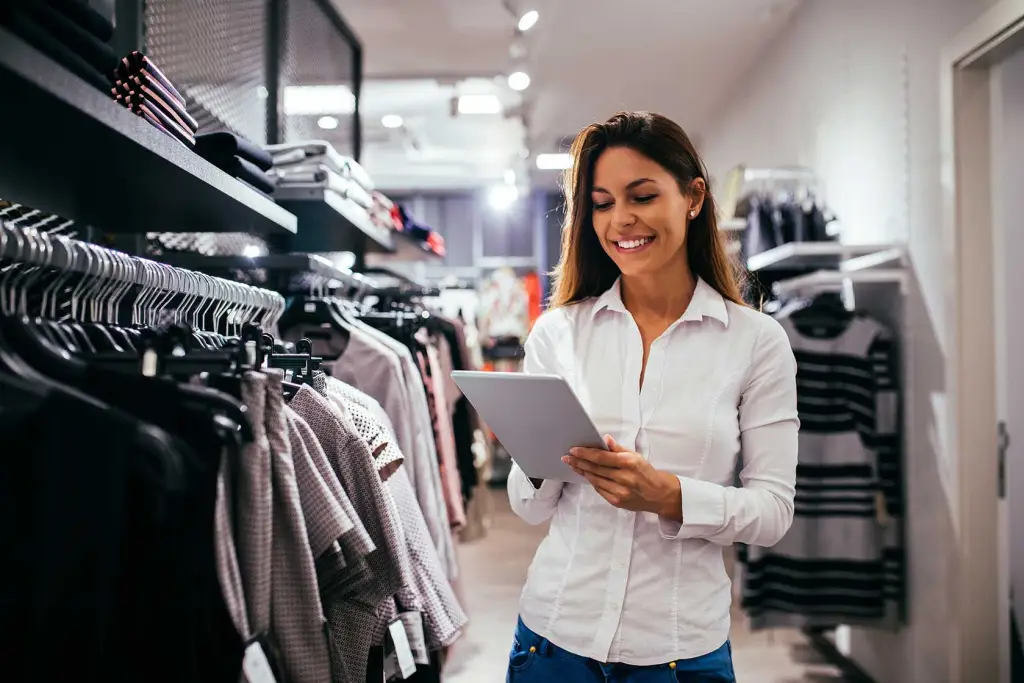
Retail plays a defining role in how goods move from manufacturers to consumers, shaping buying habits, economic activity, and community life. The concept of Retail represents the final stage of the supply chain where products reach individuals through physical stores, digital platforms, or hybrid models. Within the first stages of the consumer journey, Retail determines product availability, pricing strategies, customer satisfaction, and overall shopping experience. Because Retail affects everyday life and business operations, understanding its structure and evolution helps clarify how markets operate and how companies influence consumer decisions.
Retail continues to transform as technology, culture, and logistics evolve. The keyword Retail also reflects a combination of strategic planning, merchandising expertise, and customer driven design. Success in this sector requires balancing convenience, product variety, speed, and value. Exploring its foundations provides a deeper look into how consumer facing industries thrive.
What Retail Represents in the Modern Economy
Retail is the process of selling goods and services directly to consumers for personal use. It is more than a transaction. It reflects a comprehensive system that includes procurement, inventory management, marketing, pricing analysis, distribution, and customer engagement. Retailers serve as the bridge between producers and buyers, making essential decisions about what products appear on shelves, how they are presented, and what pricing structures encourage demand.
Retail also influences local and national economic growth. It creates jobs, shapes commercial real estate development, drives technological adoption, and stimulates competition among suppliers. As consumer expectations grow more dynamic, Retail must adapt quickly to new preferences, emerging trends, and shifts in global commerce.
Core Elements That Define Retail Operations
Retail relies on several foundational components that determine how effectively customers can access and purchase products.
Product Selection and Merchandising
Retailers decide which products to carry based on customer demand, emerging trends, seasonality, and market research. Effective merchandising requires:
- Identifying high performing products
- Organizing shelves or websites for easy browsing
- Adjusting inventory levels based on sales data
- Designing displays that capture attention
Merchandising connects product strategy with customer psychology.
Pricing Strategy
Pricing influences customer perception, competitive positioning, and profitability. Retailers use multiple pricing models including:
- Value based pricing
- Cost plus pricing
- Seasonal pricing
- Promotional pricing
- Psychological pricing
Strategic pricing helps balance sales volume and profit margins.
Inventory Management
Retailers must track, store, and replenish inventory efficiently. Tools include forecasting models, automated tracking systems, and real time demand analysis. Effective inventory management prevents stockouts, reduces waste, and supports smooth operations.
Customer Service
Customer service plays a major role in Retail success. It affects loyalty, brand reputation, and long term revenue. Strong service includes:
- Quick issue resolution
- Knowledgeable staff
- Pleasant shopping environments
- Clear communication and transparent policies
Customer experience often determines whether someone returns.
Store Layout and User Experience
In physical stores, layout influences customer flow and purchasing decisions. Digital platforms rely on intuitive navigation, fast loading pages, and organized categories. Both environments aim to create a smooth shopping journey.
Major Categories of Retail and Their Practical Applications
Retail encompasses a wide range of industries. Each category serves distinct consumer needs and requires tailored operations.
Brick and Mortar Retail
Physical stores offer hands on shopping experiences, allowing customers to see, touch, and evaluate products before purchasing.
Types of brick and mortar stores include:
- Department stores
- Specialty stores
- Supermarkets
- Convenience stores
- Discount stores
- Outlets
These formats vary based on product range, target audience, and pricing strategy.
E Commerce Retail
E commerce represents online retailing. It has significantly transformed consumer behavior by providing convenience, global product access, and personalized recommendations.
E commerce benefits include:
- Easy comparison shopping
- Fast checkout
- Home delivery
- Greater product variety
- 24 hour availability
E commerce continues to expand as consumers prioritize convenience and digital integration.
Omnichannel Retail
Omnichannel retail blends physical and digital shopping experiences to create a seamless journey across all platforms.
Key features include:
- Buy online and pick up in store
- Unified inventory across locations
- Consistent pricing and promotions
- Cross channel customer support
Omnichannel strategies improve convenience and increase sales opportunities.
Wholesale Retail
Wholesale retail includes businesses that purchase goods in bulk and resell them to other retailers or commercial clients. These operations focus on high volume sales, warehouse style distribution, and cost efficiency.
Service Based Retail
Not all retail involves physical products. Service based retail includes:
- Salons
- Fitness centers
- Repair shops
- Travel agencies
These businesses sell experiences and solutions rather than goods.
How Consumer Behavior Shapes the Retail Landscape
Understanding customer needs is central to Retail success. Consumer behavior changes based on lifestyle, economics, and cultural influences.
Factors Influencing Consumer Behavior
- Income levels
- Technology adoption
- Product availability
- Social trends
- Personal preferences
- Brand loyalty
- Environmental concerns
Retailers analyze these factors to adjust product offerings and marketing strategies.
The Role of Data in Understanding Customers
Retailers use consumer data to identify patterns, forecast demand, and personalize experiences. Data driven decision making allows businesses to:
- Predict purchasing trends
- Improve product recommendations
- Customize promotions
- Reduce operational inefficiencies
Analytics support long term planning and stronger customer relationships.
Supply Chain and Logistics in Retail
Supply chain efficiency determines how quickly products reach shelves or customers.
Key Components of Retail Supply Chains
- Supplier selection
- Order fulfillment
- Transportation
- Warehousing
- Last mile delivery
Retailers must coordinate these elements to ensure accurate and timely distribution.
Challenges in Retail Supply Chains
Common challenges include:
- Inventory shortages
- Increased shipping costs
- Seasonal demand fluctuations
- Global supply disruptions
- Delivery inefficiencies
Effective supply chain management reduces risk and strengthens reliability.
Technology and Its Role in Transforming Retail
Technology drives innovation across Retail operations and customer interactions.
Point of Sale Systems
Modern POS systems process sales, track inventory, and capture customer data. They improve checkout speed and provide data insights that guide business decisions.
Mobile Commerce
Mobile phones have become central tools for shopping. Consumers browse, compare, and purchase products from handheld devices. Retailers optimize websites and apps to support mobile shopping.
Artificial Intelligence and Automation
AI assists with:
- Personalized recommendations
- Demand forecasting
- Chatbots for customer support
- Automated inventory restocking
Automation increases efficiency and accuracy.
AR and VR in Retail
Augmented and virtual reality technologies allow customers to visualize products in their homes or try items digitally before purchasing.
Contactless Shopping
Contactless payments and curbside pickup improve convenience and align with modern consumer expectations.
Retail Marketing Strategies That Drive Engagement
Marketing helps retailers attract customers and differentiate themselves.
Common Retail Marketing Approaches
- Social media campaigns
- Email newsletters
- Loyalty programs
- In store promotions
- Seasonal sales events
- Influencer partnerships
Effective marketing builds brand awareness and encourages repeat customers.
The Importance of Emotional Connection
Retailers that connect emotionally with customers often maintain loyalty. Strategies include storytelling, brand values, personalized messaging, and community engagement.
Visual Merchandising and Its Influence on Sales
Visual merchandising refers to how products are displayed in store or online.
Key Elements of Visual Merchandising
- Lighting
- Colors
- Signage
- Product placement
- Display themes
Thoughtful design increases product visibility and encourages impulse purchases.
Retail Employee Training and Workforce Development
Retail employees play a critical role in customer satisfaction.
Essential Skills for Retail Staff
- Product knowledge
- Sales techniques
- Communication skills
- Problem solving
- Patience and empathy
Training strengthens morale and improves customer experiences.
Financial Management in Retail Operations
Retailers must manage finances carefully to remain profitable.
Core Financial Considerations
- Cost of goods sold
- Operating expenses
- Gross margins
- Inventory carrying costs
- Cash flow management
Financial discipline supports long term sustainability.
Real World Applications of Retail Knowledge
Understanding Retail helps consumers and businesses make informed decisions.
Startups Entering Retail
Entrepreneurs rely on market research, pricing strategy, and customer analysis to build strong foundations.
Home Based Businesses Expanding
Retail knowledge helps small businesses scale through digital marketplaces and local events.
Corporate Retail Planning
Large retail operations use data driven insights to optimize store networks and improve logistics.
Frequently Asked Questions
What factors influence where a retailer chooses to open a store?
Retailers consider population density, local income levels, foot traffic, existing competition, transportation access, and community demographics. Site selection can determine long term store success.
How can retailers reduce customer wait times?
Strategies include adding self checkout stations, training staff in efficiency techniques, improving POS systems, and offering mobile or online ordering. Reducing wait times improves satisfaction and increases sales.
Why do some products have different prices online compared to in store?
Pricing may vary based on distribution costs, inventory levels, delivery expenses, or marketing strategies. Retailers use channel specific pricing to remain competitive and manage operational costs.
How can small retailers compete with larger businesses?
Small retailers focus on personalized service, unique products, strong community relationships, and flexible business models. These strengths help them build loyal customer bases.
What role does sustainability play in modern retail?
Consumers increasingly prioritize sustainable products. Retailers respond by using eco friendly packaging, sourcing ethical materials, reducing waste, and offering recycling programs.
How do retailers forecast demand for seasonal products?
They analyze historical sales data, market trends, weather patterns, and promotional activity. Accurate forecasting reduces excess inventory and improves profitability.
If you would like, I can create additional content on retail technology, customer experience optimization, store layout planning, or specialized retail sectors.
Comments are closed.