


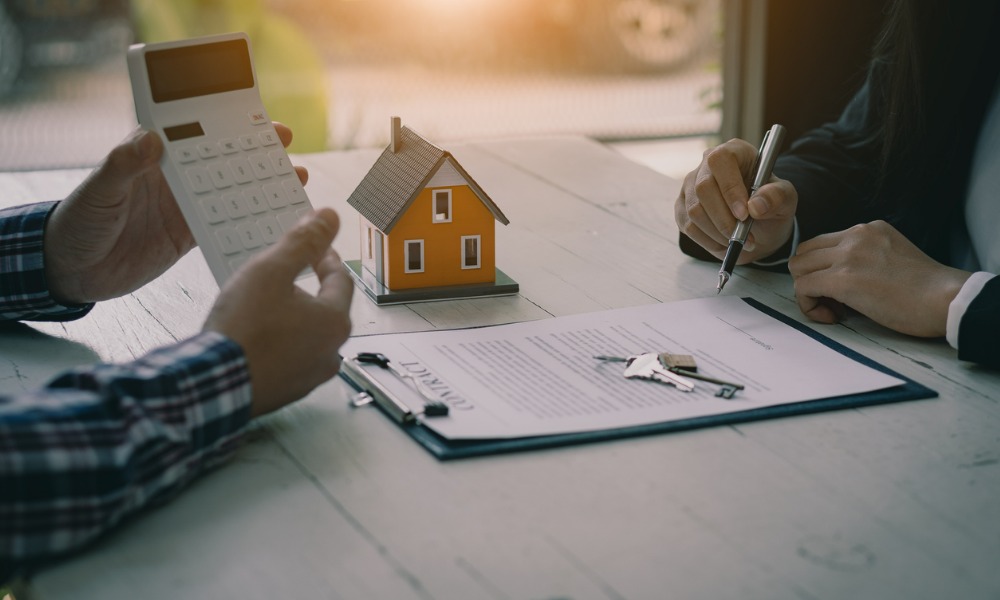
Buying your first home is a major financial decision, and choosing when to apply for a mortgage can feel just as important as finding the right property. Mortgage advice for first-time buyers can help you understand your borrowing position, assess affordability and prepare for the costs involved, so you can decide whether you are financially ready to take the next step.
Are You Financially Ready to Buy?
Before applying for a mortgage, it is worth taking a close look at your current financial position. Having a regular income and a suitable deposit are important, but lenders will also consider your existing financial commitments and overall affordability.
Review your monthly income and expenditure to understand how much you could comfortably allocate towards mortgage repayments. Remember that buying a home also involves ongoing costs such as household bills, insurance, maintenance and other property-related expenses.
If your budget would be under significant pressure after accounting for these costs, it may be worth spending more time strengthening your finances before applying.
How Much Deposit Do You Have?
Your deposit is one of the key considerations when preparing to buy your first home. The amount you have saved can influence the properties you can consider and the mortgage options available to you.
Saving a larger deposit may reduce the amount you need to borrow and could potentially provide access to different mortgage rates. However, it is important not to use every penny of your savings for the deposit.
You should also allow for other costs associated with purchasing a property, including legal fees, valuation costs, insurance and other expenses. Maintaining some savings as an emergency fund can also provide a valuable financial buffer once you become a homeowner.
What Can You Afford to Borrow?
It is important to understand your potential borrowing capacity before starting your property search. The amount a lender may be willing to offer can depend on factors such as your income, employment circumstances, existing debts and regular expenditure.
However, the maximum amount you can borrow should not automatically become your target budget.
Consider what monthly repayment would be comfortable for you rather than simply focusing on the highest mortgage amount available. This can help you maintain greater financial flexibility after buying your home.
What Are Mortgage Rates Doing?
Interest rates can influence both the cost of borrowing and the affordability of a mortgage. However, trying to time the market perfectly can be difficult.
Instead of waiting indefinitely for rates to reach a particular level, first-time buyers should consider their own financial circumstances and whether they are ready to commit to home ownership.
Different mortgage products may offer different rates, fixed periods and conditions. Comparing these options can help you understand how your potential repayments could change over time.
Should You Wait and Save More?
For some buyers, waiting may be beneficial if it allows them to increase their deposit, reduce existing debts or improve their overall financial position.
For others, delaying a purchase may not necessarily provide an advantage, particularly if their finances are already in a strong position and they have found a property that meets their needs.
There is no universal answer to whether you should buy now or wait. The decision should be based on your personal circumstances rather than simply trying to predict future property prices or interest rates.
Getting Your Mortgage Application Ready
If you believe you are ready to buy, preparing your finances before submitting a mortgage application can make the process more straightforward.
Make sure your financial documents are organised and review your bank statements, income and regular expenditure. It can also be useful to understand your credit history and address any outstanding financial issues where possible.
Having a clear picture of your finances can help you approach lenders with greater confidence and understand what you may realistically be able to afford.
Consider the Wider Cost of Home Ownership
Your mortgage repayment is only one part of the cost of owning a home. First-time buyers should also consider property taxes where applicable, insurance, utilities, maintenance, repairs and other household expenses.
If you are purchasing an older property, for example, you may need to budget for maintenance or improvements. Factoring these potential costs into your budget can help you avoid unexpected financial pressure after moving in.
So, Is Now the Right Time?
The right time to apply for a first-time buyer mortgage depends largely on your financial readiness. If you have a suitable deposit, stable finances, manageable commitments and a realistic understanding of the costs involved, you may be in a good position to explore your mortgage options.
If you are not quite ready, there is nothing wrong with taking additional time to save, reduce debts or strengthen your finances.
Rather than focusing solely on market conditions, consider whether buying a home is affordable and sustainable for you. Taking a careful approach and understanding your options can help you make a more confident decision about when to apply for your first mortgage.